
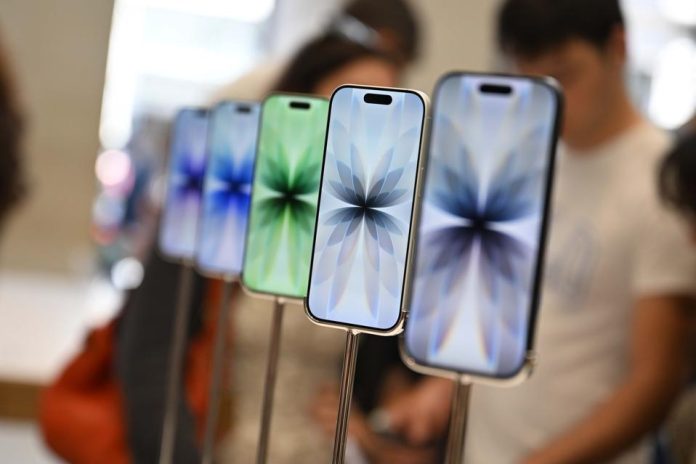

When Apple first introduced Apple Intelligence, it felt like a feature designed for a very specific audience. At launch, only a small number of iPhone models supported it, which made the technology seem more like a selling point for new hardware than a major shift in how iPhones work. Fast forward to today, and that picture looks very different.
Apple Intelligence is now supported on eleven iPhone models. Anyone who owns an iPhone 15 Pro, or any iPhone 16 or iPhone 17 model, can use Apple Intelligence through a software update. In just a short period of time, what started as a limited feature has become available to a large portion of Apple’s iPhone users.
 That expansion matters. When Apple Intelligence debuted, only two iPhone models could run it. Even after Apple launched the iPhone 16 lineup, the total number of supported devices was still relatively small. At the time, it was easy to see Apple Intelligence as a reason to upgrade, especially for users interested in smarter AI powered features and a more capable version of Siri.
Now, Apple Intelligence no longer feels exclusive. With more than a year of new device sales behind it, Apple has quietly reached a point where a significant share of active iPhones can support these features. Instead of being tied closely to one generation of hardware, Apple Intelligence is becoming part of the standard iPhone experience.
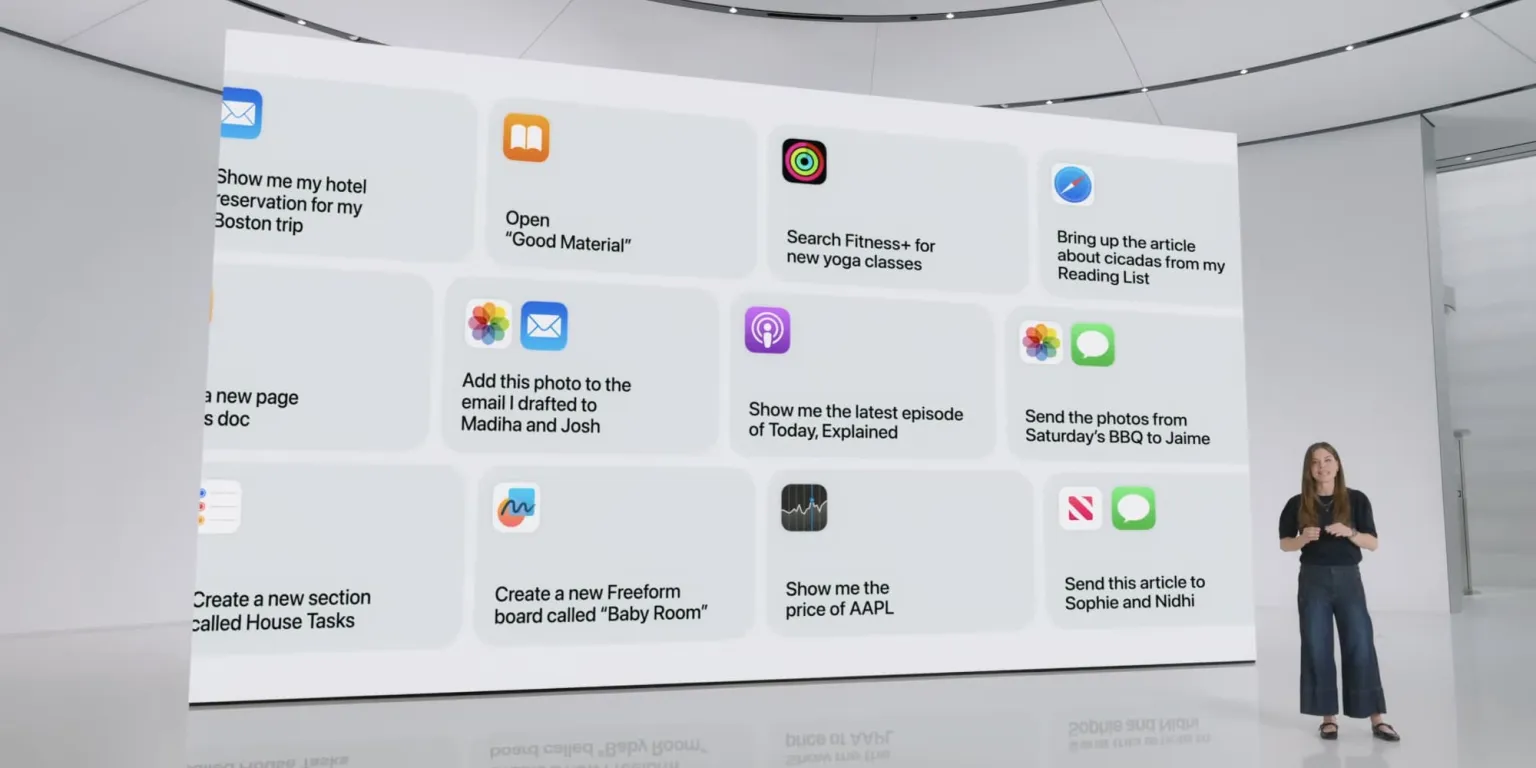
Siri sits at the center of this shift. Apple’s voice assistant has been around for more than a decade, but it has often faced criticism for falling behind competitors in areas like natural conversation and contextual understanding. Apple Intelligence is meant to address some of those long standing issues by improving how Siri understands requests and connects information across apps and tasks.
Rather than a dramatic redesign, the changes to Siri arrive as gradual improvements. Apple Intelligence helps Siri better understand what users mean, respond more naturally, and handle more complex requests. These updates may not grab attention all at once, but over time they make everyday interactions feel smoother and more reliable.
Apple’s approach to artificial intelligence also stands out for its focus on privacy. Many Apple Intelligence features are designed to run directly on the device, reducing the amount of data sent to external servers. When cloud processing is necessary, Apple says it uses secure systems built specifically to protect user information. This focus has become a key part of how Apple differentiates its AI strategy from others in the industry.
The wider rollout of Apple Intelligence also changes how users think about upgrading their iPhones. When the feature was first announced, it felt closely tied to buying the latest model. Today, that pressure is much lower. Users who bought an iPhone within the last two years can still benefit from Apple’s newest AI tools without replacing their device. That reinforces Apple’s long standing reputation for extended software support.
From a broader industry perspective, this move reflects a larger trend. Artificial intelligence is no longer something that lives in separate apps or experimental features. Instead, it is being woven directly into operating systems and everyday tools. Apple Intelligence follows that pattern by working behind the scenes, enhancing writing tools, notifications, and Siri rather than trying to replace how users already interact with their phones.
Apple’s slow and controlled rollout may also explain why the transition has felt relatively smooth. By limiting early access, Apple had time to test performance, gather feedback, and improve stability before expanding support. As more devices gain access, Apple Intelligence feels less like a beta experiment and more like a finished system feature.
For users, the impact shows up in small, practical ways. Writing assistance feels more helpful, notifications are easier to manage, and Siri is more capable than before. These changes may not completely transform the iPhone experience overnight, but they add up over time.
Apple Intelligence has moved past its early phase. What once seemed like a feature meant to sell new phones is now a free update for millions of users. As support continues to expand and features improve, Apple Intelligence is becoming less about marketing and more about shaping how people use their iPhones every day.