
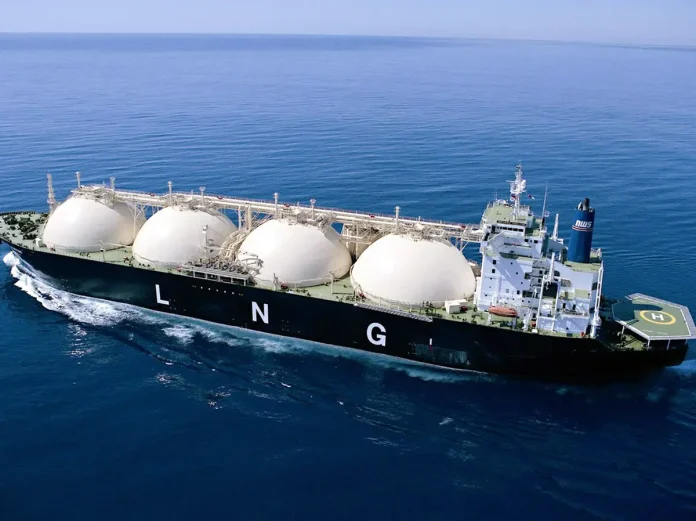

After a pause of 28 months, the state-owned Pakistan LNG Limited (PLL) has once again issued urgent tenders to import three LNG cargoes for delivery between April 27 and May 8, as rising temperatures increase electricity demand and the country faces a widening power shortfall.
The company has set April 24 as the deadline for bid submissions, with the same-day opening of tenders, reflecting the urgent need to address a power gap that has exceeded 4,500MW at peak times, leading to up to seven hours of load shedding.
The move comes after Qatar showed reluctance to send LNG shipments stranded in the Gulf due to heightened security concerns and disruptions linked to the closure of the Strait of Hormuz. Earlier, three Pakistan-bound LNG cargoes were also forced to return for safety reasons.
Each of the newly tendered shipments will carry 140,000 cubic metres of LNG and will be delivered on a delivered ex-ship (DES) basis. Every cargo is expected to supply around 100 million cubic feet per day (mmcfd) of gas to Pakistan.
In March, the Oil and Gas Regulatory Authority (OGRA) had already raised RLNG prices sharply by 19–22%, bringing them to $12.50–$14 per million British thermal units for distribution by Sui gas companies. The increase was driven mainly by higher terminal costs and reduced import volumes.
RLNG pricing for that period was calculated based on only two cargoes, compared to eight in previous months, due to supply disruptions following force majeure conditions declared by Qatar after damage to gas infrastructure and the Strait of Hormuz closure. Despite fluctuations, recent import prices remain lower than those recorded a year earlier.
PLL, originally established to manage LNG imports, has largely remained inactive in recent months and did not bring in any cargo in the previous month, drawing criticism over its operational performance and financial burden.
With summer demand rising, the Power Division has requested additional LNG supplies to support electricity generation and reduce reliance on costly alternatives like high-speed diesel (HSD) and furnace oil, which could significantly increase production costs and consumer bills.
Officials warn that without adequate RLNG supply, the power sector may face further stress, higher generation costs, and extended load management during peak summer demand, which is expected to exceed 28,000MW.