
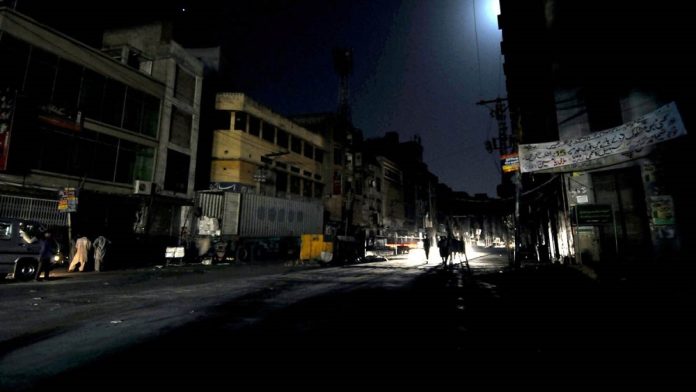

Amid ongoing fuel supply constraints, the government on Tuesday officially confirmed limited daily electricity interruptions of around 2.25 hours during peak demand hours in an effort to prevent a sharp rise in power tariffs.
According to the Power Division, electricity supply will be temporarily suspended between 5:00pm and 1:00am, a period identified as the most pressure-heavy on the national grid due to increased consumption and reduced hydropower generation.
Officials said the move is aimed at reducing reliance on expensive fuel-based power generation, which could otherwise lead to a significant increase in electricity prices for consumers.
The decision follows the suspension of liquefied natural gas (LNG) imports after Qatar declared force majeure due to damage concerns linked to regional tensions in the ongoing US–Israel conflict involving Iran. Qatar remains Pakistan’s key LNG supplier under long-term agreements.
The Power Division maintained that the national grid is capable of meeting overall demand, but relying on costly fuels during peak hours would negatively impact tariff stability.
It further explained that electricity demand rises sharply between 5pm and 1am, while hydel output drops during this time, creating additional pressure on the system.
Despite global energy challenges, the government highlighted that electricity prices had already seen a reduction of around 71 paisa per unit between July and February, resulting in relief of approximately Rs46 billion for consumers.
Officials credited structural reforms, improved planning, better generation mix, and reduced system losses for the cost reduction, along with priority use of low-cost energy sources.
The statement also noted that 80mmcfd of local gas supply has been diverted to power plants, helping avoid further tariff increases and reducing the need for additional load management.
Authorities estimate that the current controlled load management will prevent an increase of about Rs3 per unit, while without these measures tariffs could have risen significantly higher.
The Power Division clarified that this is not traditional unscheduled loadshedding, but part of a “Peak Relief Strategy” designed to manage demand during high-cost hours and limit tariff pressure.
It also directed distribution companies to issue feeder-wise schedules in advance, ensuring transparency and preventing unannounced outages.
Officials emphasized that no unscheduled shutdowns will be allowed, and any local faults will be communicated to consumers promptly.
The government said it remains committed to shielding consumers from global energy shocks, while urging coordinated efforts—including timely closure of commercial markets—to further reduce peak demand and stabilize electricity costs.